
Kristen's Corner: May 2026

Small Creature, Big Impact
As the Texas landscape bursts into color this May, there’s a tiny world buzzing all around us that often goes unnoticed—but plays a huge role in our everyday lives. Pollinators like bees, butterflies, hummingbirds, and even some beetles are responsible for helping plants grow, flowers bloom, and fruits and vegetables develop.
At Winding Branch Ranch, we love helping kids slow down, look closely, and discover just how powerful these small creatures really are. The ranch hosts recurring family-friendly Pollinator Picnic events throughout May.
The best part? You don’t need a giant garden or expensive supplies to start exploring pollinators with your children. With a little curiosity and time outside, May becomes the perfect month to learn together. Here are some easy pollinator activities to try with your kids this month.
And, don't forget to join us for Pollinator Picnic the last Wednesday of every month! Register today at windingbranchranch.org.
Activity 1: Go on a Pollinator Hunt
Instead of a typical walk, invite your child into a mission:
“Let’s see how many pollinators we can find today.”
As you explore your yard, a park, or even a sidewalk with wildflowers growing nearby, encourage your child to look closely. You might spot a bee moving quickly from flower to flower, or a butterfly resting for just a moment before fluttering away.

To keep kids engaged:
Give them a simple goal (find 3 different pollinators)
Let them “lead” the walk and decide where to go
Celebrate small discoveries (“You spotted that tiny bee before I did!”)
Extend the learning:When you get home, ask:
Which flower had the most visitors?
Did certain colors attract more pollinators?
You’re building observation skills without it feeling like a lesson.
Activity 2: Plant a Pollinator Pot
Kids are much more invested when something belongs to them. A small pot can become their pollinator project.
Start simple:
Fill a pot with soil together
Let your child choose seeds (zinnias, marigolds, or sunflowers are great starters)
Give them the responsibility of watering and checking daily
As the plants grow, talk about what’s happening:“These flowers will become food for bees and butterflies.”
Make it special:
Let kids decorate the pot with paint or markers
Give the plant a name
Keep it somewhere visible so they can track changes daily
The magic moment:When the first pollinator visits their plant—it clicks. They see the connection
Activity 3: Build a Pollinator "Rest Stop"
This simple activity turns your outdoor space into a welcoming place for pollinators.
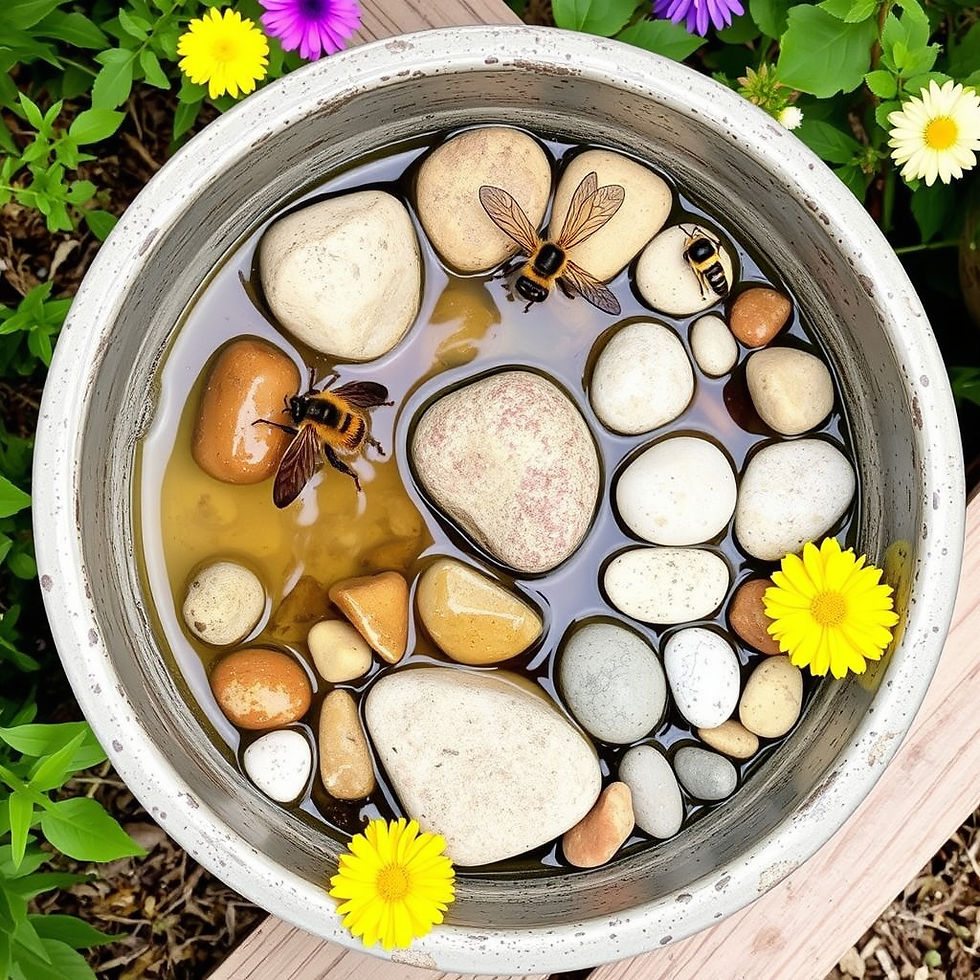
Together, create a small water station:
Use a shallow dish or bowl
Add rocks, pebbles, or marbles
Pour in just enough water to sit below the tops of the rocks
Explain it simply: “Pollinators get thirsty too, but they need a safe place to land.”
Place it outside and check it together each day.
What kids love most:
Watching for visitors
Refilling the water
Feeling like they are helping animals
This builds empathy and responsibility in a very natural way.
A Gentle Reminder
One of the easiest ways to introduce young children to pollinators is through hands-on experiences in nature alongside other families.
This May, families can join us for Pollinator Picnic at Winding Branch Ranch Events — a relaxed, kid-friendly gathering that includes a short pollinator lesson followed by picnic and outdoor exploration time at the sanctuary. Upcoming Pollinator Picnic dates are listed on the ranch events page.
This is designed especially for young learners and families who want a simple, low-pressure way to spend meaningful time outdoors together.
Closing Thoughts
Pollinators may be tiny, but they teach children some big ideas: patience, observation, care for living things, and the importance of protecting our environment.
This May, challenge your family to slow down, step outside, and notice the buzzing world all around you. Sometimes the smallest creatures leave the biggest impact
–Mrs. Kristen


Comments